
Models
FXR Super Glide II / Super Glide
The original FXR: the base model of the family, launched as the Super Glide II and later sold simply as the Super Glide.
Overview
.jpg)
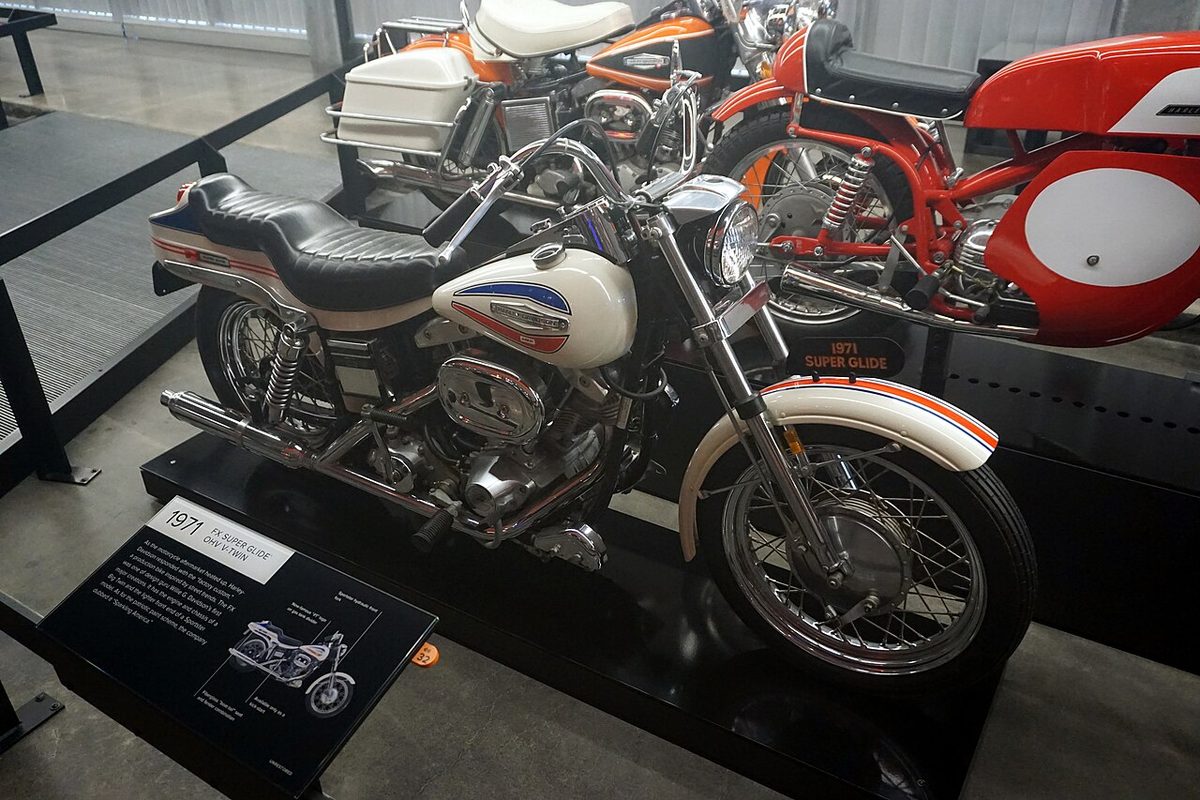
The FXR Super Glide II launched in the summer of 1981 as a 1982 model, alongside the fancier FXRS (Rider, Sep 2017). The two were nearly identical apart from paint and wheels: the FXR had laced wheels and single-color paint (Hot Bike, "Separating the Men From the Boys"; Wikipedia, "Harley-Davidson Super Glide").
It used the 80 ci Shovelhead, a new five-speed gearbox and the rubber-mounted drivetrain from the FLT Tour Glide, in a new frame (Hot Bike, "The Saga of the FXR").
The base FXR was dropped for 1984 and 1985, then returned for 1986 as the FXR Super Glide with the Evolution engine and chain final drive, replacing the old FX-framed Super Glide (Rider, Sep 2017; Hot Bike, "Separating the Men From the Boys"). It stayed in the lineup through 1994 and was replaced by the Dyna FXD for 1995 (Wikipedia, "Harley-Davidson Super Glide").
Years made
1982 to 1983, 1986 to 1994.
| Model year | Units built | Notes | Confidence | Source |
|---|---|---|---|---|
| 1982 | 3,065 | Launch year, Shovelhead | Reported | shovelhead.us, 1982 |
| 1983 | Listed as 60 and 1,069 | Little changed | Reported | shovelhead.us, 1983 |
| 1984 to 1985 | Not built | Base FXR dropped | Confirmed | Rider, Sep 2017 |
| 1986 to 1994 | unverified | Returns as the Evo FXR Super Glide | Needs source | None yet |
Identifying features
- Laced (spoked) wheels and single-color paint, versus cast wheels and two-tone paint on the FXRS (Hot Bike, "Separating the Men From the Boys")
- Fat Bob tank with a center console holding the fuel cap and fuel gauge (Hot Bike, "The Saga of the FXR")
- Seat that flips up to reach the oil tank and battery (Hot Bike, "The Saga of the FXR")
- Triangulated rear frame section and rubber-mounted engine (Rider, Sep 2017)
- From 1988, buckhorn handlebars (Rider, Sep 2017)
- VIN model code EA in positions 5 and 6 (Rider, Sep 2017; see Identification)
Specs
No period road test of this model found yet. See what the magazines measured on other FXRs: Period Road Tests →
The 1982 FXR shared its engine, frame and running gear with the FXRS, which Cycle World tested. See the FXRS spec table. For the Evo FXR Super Glide, the table below has Harley's factory figures from the 1987 and 1990 owner's manuals, which list the FXR and FXRS together. The manuals give no rake, trail or suspension travel.
1987 and 1990 FXR Super Glide, factory figures from Harley's owner's manuals
Known issues
Common problems across the FXR family, by model year: Known Issues →
Shovelhead engine
Even Erik Buell told Hot Bike "the original shovelhead engine was awful" compared with the chassis (Hot Bike, "The Saga of the FXR"). Specific failure points for FXR Shovelheads unverified.
Rubber mounts and stabilizer links
The whole design depends on three elastomer mounts and two adjustable stabilizer links (Rider, Sep 2017). Buyer's guides suggest checking them on any used FXR (Moto Gallery FXR overview). Typical wear symptoms and replacement intervals unverified.
1992 to 1994: caged cam bearing
Rider notes that 1992 Evos switched to a caged needle bearing for the camshaft and calls a full-complement bearing a required swap when changing cams (Rider, Sep 2017).
Photos
No FXR photos here yet. We only publish photos that are free to use or that owners send us with permission. Have one?
Related models
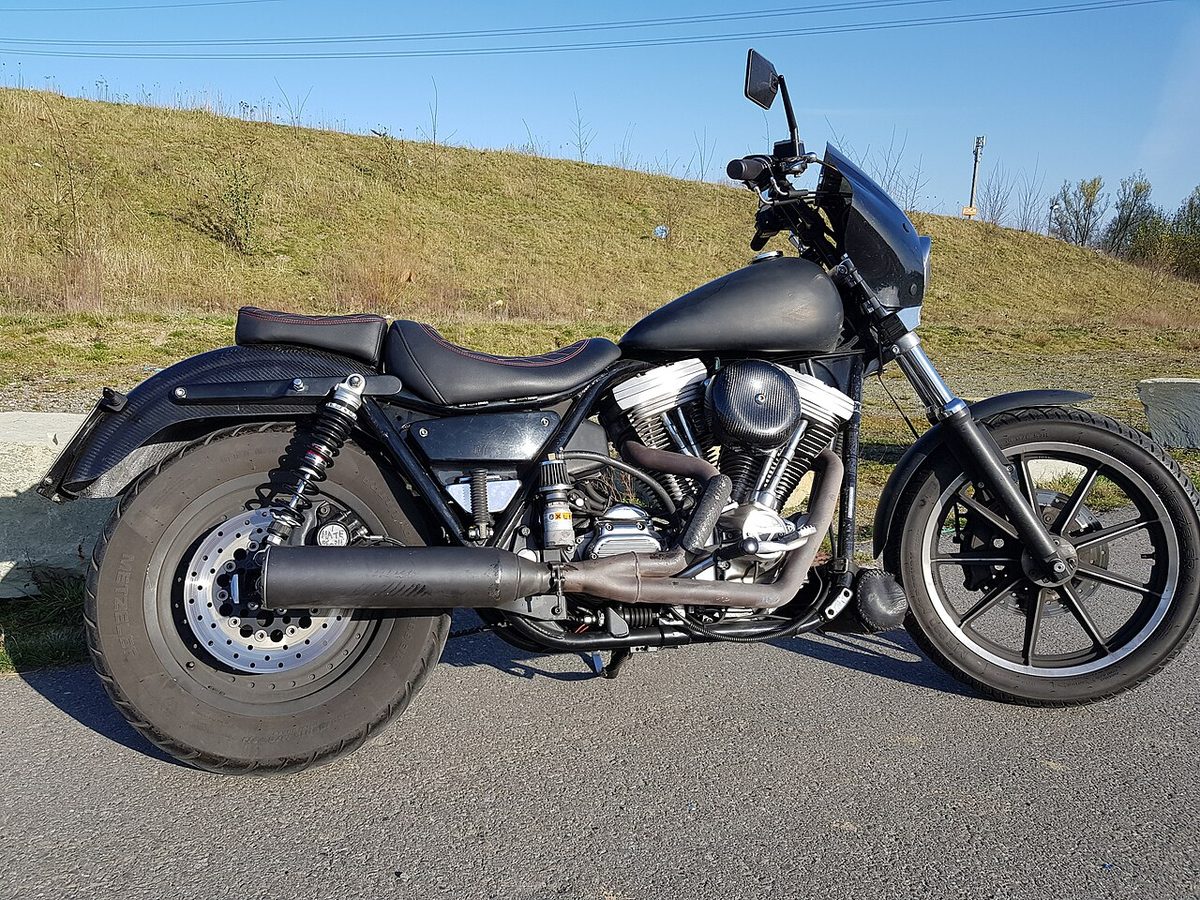
FXRS
The dressier twin of the first FXR. It later became the Low Glide, then the Low Rider, and was the most common FXR of the early years.
FXLR
The custom-styled FXR, with a skinny 21 inch front wheel, solid rear wheel and blacked-out engine.

FXRT
The faired sport tourer of the family, with a frame-mounted fairing and hard bags that started life on Harley's cancelled Nova project.
Sources
- Hot Bike, "Separating the Men From the Boys: The History of the FXR" (photos from the Harley-Davidson Archives; interviews Bob LeRoy). Link
- Hot Bike, "The Saga of the FXR" (includes an interview with Erik Buell). Link
- Kip Woodring, "Motorhead Memo: The Gentleman's Express", Rider Magazine, September 20, 2017 (year-by-year FXR history and VIN model codes). Link
- Wikipedia, "Harley-Davidson Super Glide" (FXR section), and the sources it cites, including Andy Hornsby, "A Potted History of Harley-Davidson", American-V. Link
- Cycle World, "Harley-Davidson FXRS" road test, December 1981. Link
- Harley-Davidson Motor Co., 1987 All Models Owner's Manual (FXRT specifications page 12, FXR, FXRS, FXRS Sport Edition and FXLR specifications page 34, tire pressures pages 14 and 36). Scanned copy hosted by Ratbike Service. Link
- Harley-Davidson Motor Co., 1990 All Models Owner's Manual (FXRT specifications page 18, FXR, FXRS, FXRS-SP, FXRS-CON and FXLR specifications pages 50 to 51, tire pressures page 52). Scanned copy hosted by Ratbike Service. Link
- shovelhead.us, "1982 Harley-Davidson" model year history page (enthusiast site; production figures). Link
- shovelhead.us, "1983 Harley-Davidson" model year history page (enthusiast site; production figures). Link
- Moto Gallery, "1982-2000 Harley-Davidson FXR" resource guide (secondary buyer's guide). Link
About the unverified flag: it marks a detail we have not yet been able to confirm in a published source, such as a factory document, owner's or service manual, or period magazine test. Where a table cell shows only the flag, we have not found a reliable figure. We keep these details visible so they can be checked. If you have a source, please tell us.
Full bibliography and image credits: Sources & Credits. Magazine pages are linked, never copied or hosted here. Spot an error? Tell us.